
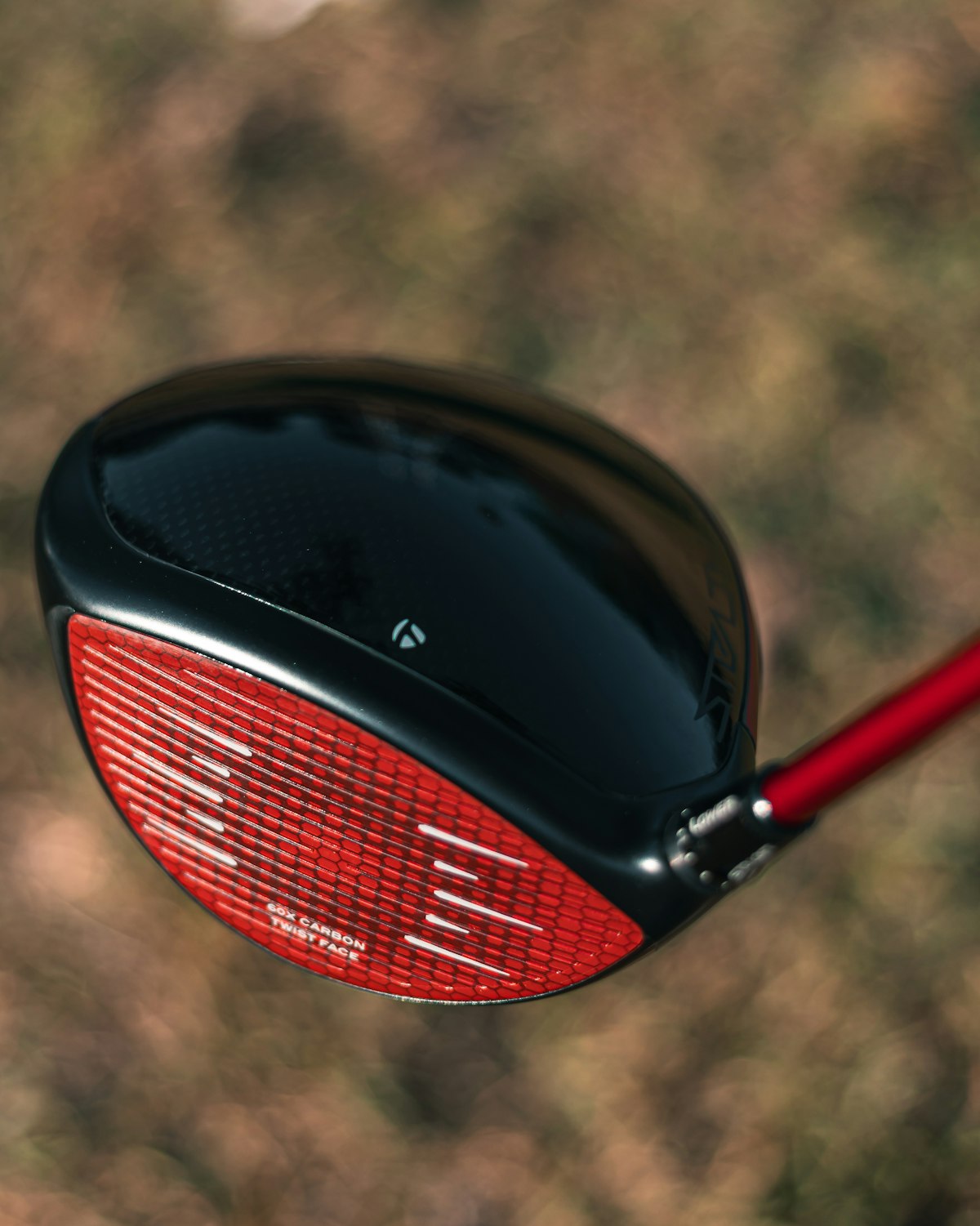
Most amateurs who own an adjustable driver have used the wrench exactly once, on the day they bought it, and have been faintly afraid of it ever since. The little sticker on the sole with its grid of letters and numbers looks like something you could get badly wrong, so the club stays in whatever setting it left the shop in, and the adjustability that cost real money goes entirely to waste. That is a shame, because the hosel is one of the few truly useful things to happen to the driver in the last fifteen years, and the logic behind it is far simpler than the chart implies.
What the hosel is actually moving
When you loosen the screw and turn the head, you are not changing the clubface in isolation. You are tilting the whole head on the end of the shaft. Because of the way a driver is built, that single tilt changes two things at once, and understanding which is which is most of the battle.
The setting everyone talks about is loft. Turning the head to a higher loft setting adds a degree or two to the angle of the face at address, which sends the ball higher and usually with a touch more spin. Turning it down does the reverse. A stated nine-degree driver might actually run from roughly seven and a half to ten and a half degrees across its range, which is a far bigger swing than most players realise. If your drives balloon up and fall out of the sky, you may simply be playing too much loft. If they come off low and never climb, you may have too little.
The part the chart hides
The setting people forget is lie, and on many drivers it rides along with the loft change whether you want it to or not. Adding loft through the hosel tends to make the face sit slightly more closed and the lie slightly more upright, which nudges the ball left for a right-hander. Taking loft off tends to open the face and flatten the lie, nudging it right. This is why a golfer who turns the driver up to cure a low flight sometimes finds they have started missing left, and blames their swing for a change they made with a wrench.
Better drivers separate these two, with independent loft and lie sleeves so you can raise the flight without touching the shape. Cheaper or older ones bundle them together. Knowing which kind you own matters, because it tells you whether a loft change is a clean adjustment or a package deal.
A sensible way to use it
The mistake is to treat the hosel as a daily tinkering tool. It is not. Change one thing, then go and hit thirty balls and watch what the ball actually does, rather than what you hoped it would do. Flight first, shape second. If the ball flies the wrong height, that is the loft conversation. If the height is fine but the ball leaks one way, that is the lie or face setting, assuming your strike is consistent enough to trust.
The honest caveat is that the hosel cannot fix a swing fault. If you slice it forty yards, no setting on that sticker will save you, and dialling the face fully closed to mask a slice usually just produces a different, uglier miss under pressure. The adjustability is there to optimise a reasonably repeating swing, not to paper over a broken one. Used that way it is well worth understanding. Used as a substitute for a lesson it is a trap.
Worth doing properly
If all of this sounds like guesswork, that is exactly the argument for spending an hour on a launch monitor with someone who fits clubs for a living. You will see your launch angle and spin numbers in real figures, the fitter will turn the wrench while you hit, and you will leave knowing the setting is right rather than hoping it is. Most fitters will do this with the driver you already own, which makes it one of the cheapest meaningful improvements available to a golfer who already has a decent club.
Failing that, at least take the wrench out of the drawer. Note your current setting so you can always return to it, change one variable, and pay attention. The worst that happens is you learn something about your own ball flight, and you can always put it back exactly where it was. The driver in your bag is probably more adjustable, and more capable of suiting your swing, than you have ever let it be.