
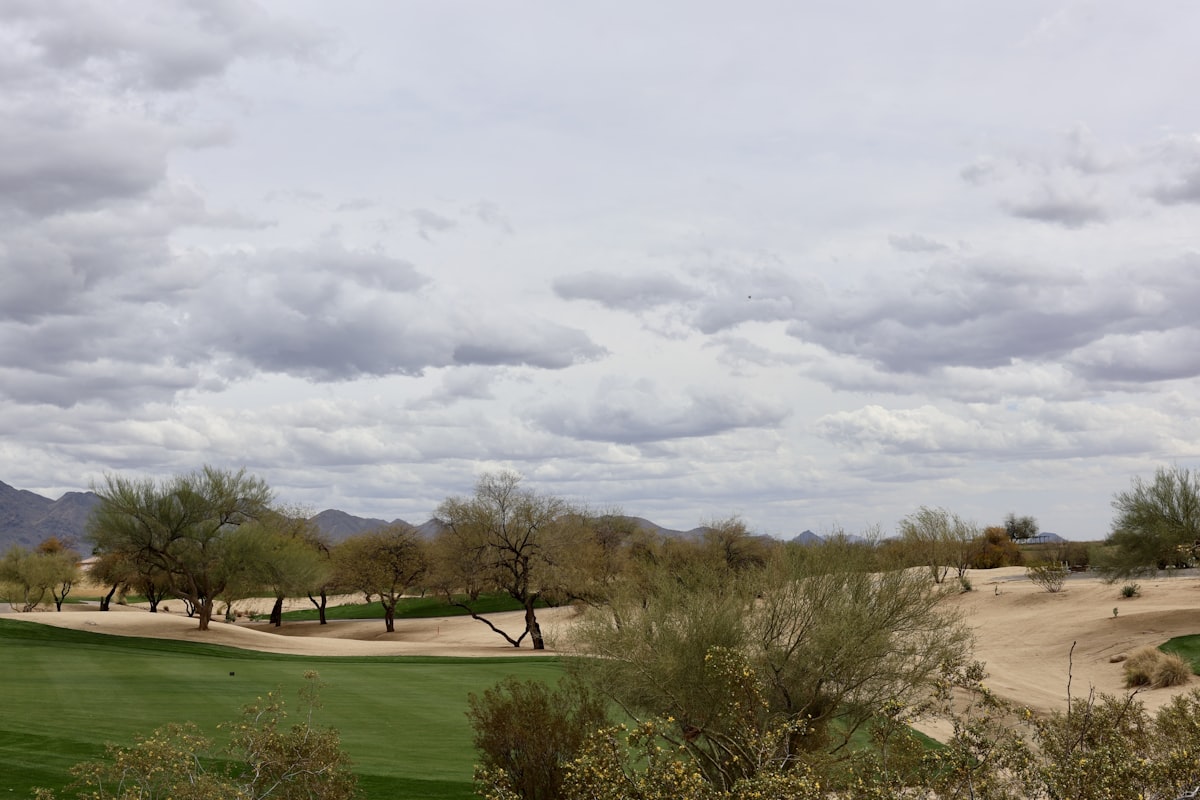
Every golfer has a favourite month, and most of them will tell you it is May or June, when the course is fully in, the light lasts until nine, and the whole season still feels ahead of them. I would take September over any of it. The professional Tour has just finished its marquee summer stretch and is easing into the smaller FedExCup Fall events, the majors are done and will not be spoken of again until spring previews start next winter, and at club level something quietly wonderful happens that nobody markets and nobody puts on a poster. The course empties out.
The membership that vanishes and the golf that improves
Walk your home course on a Tuesday afternoon in July and you are competing with juniors on summer break, visitors playing as guests, and every member who has been saving leave for exactly this kind of weather. Walk it on a Tuesday afternoon in late September and you may see three other groups all day. The greenkeeping staff know it too. Fairways that were cut and watered around a full tee sheet all summer get a rest, top-dressing goes down without a queue of four-balls waiting to play through it, and the greens, freed from the daily grind of two hundred rounds, tend to firm up and run true in a way they rarely do in the thick of the season. Superintendents will tell you, if you catch them without a member hovering, that autumn is when a course plays closest to how it was designed to play. Less water, less traffic, more definition between short grass and long. The architecture gets to speak for itself again.
The golf itself changes with the ground. A course that played soft and receptive in June starts accepting a different shot in September, the ball releasing further on landing, a running approach becoming viable again where it had to fly all the way to the flag for months. That is not a small thing for the average player. It rewards the kind of shot-shaping and ground game that low-handicap golf has always valued and that target golf, played into soft greens under sprinkler irrigation, tends to flatten out. Fall golf asks you to think about where the ball lands rather than just where it stops, and that is a more interesting question than the one summer conditions usually pose.
The light does the rest
There is also the matter of what the light looks like at half past five on a clear autumn evening, long shadows off the bunker lips, the temperature dropped just enough that a jumper feels right rather than optional, the sound of the course carrying further because there is less traffic and less air-conditioning hum from the clubhouse to compete with it. Summer golf is played in glare. Fall golf is played in the kind of light that photographers chase and everyone else takes for granted, low and warm and flattering to a course that has had all summer to grow into itself.
None of this is a knock on summer, which has its own case and does not need defending, long evenings, firm-and-fast majors, the whole sport at full volume. But summer golf is golf played in company, waiting on tees, watching groups ahead work out a ruling, sharing the course with everyone else who also had the same idea about the weather. Fall golf is golf played closer to alone, which sounds like a loss until you have actually done it, walked nine holes into a low sun with nobody behind you and nobody in front, no pressure to keep pace, no queue at the turn, just the course and however you happen to be swinging that particular week. The PGA Tour’s fall stretch gets called the least glamorous part of the golfing calendar, all field-strength headlines and half-empty leaderboards next to what came before it at the Tour Championship. At club level the equivalent stretch is the best-kept secret of the year, and the people who already know it are in no hurry to tell anyone else.