
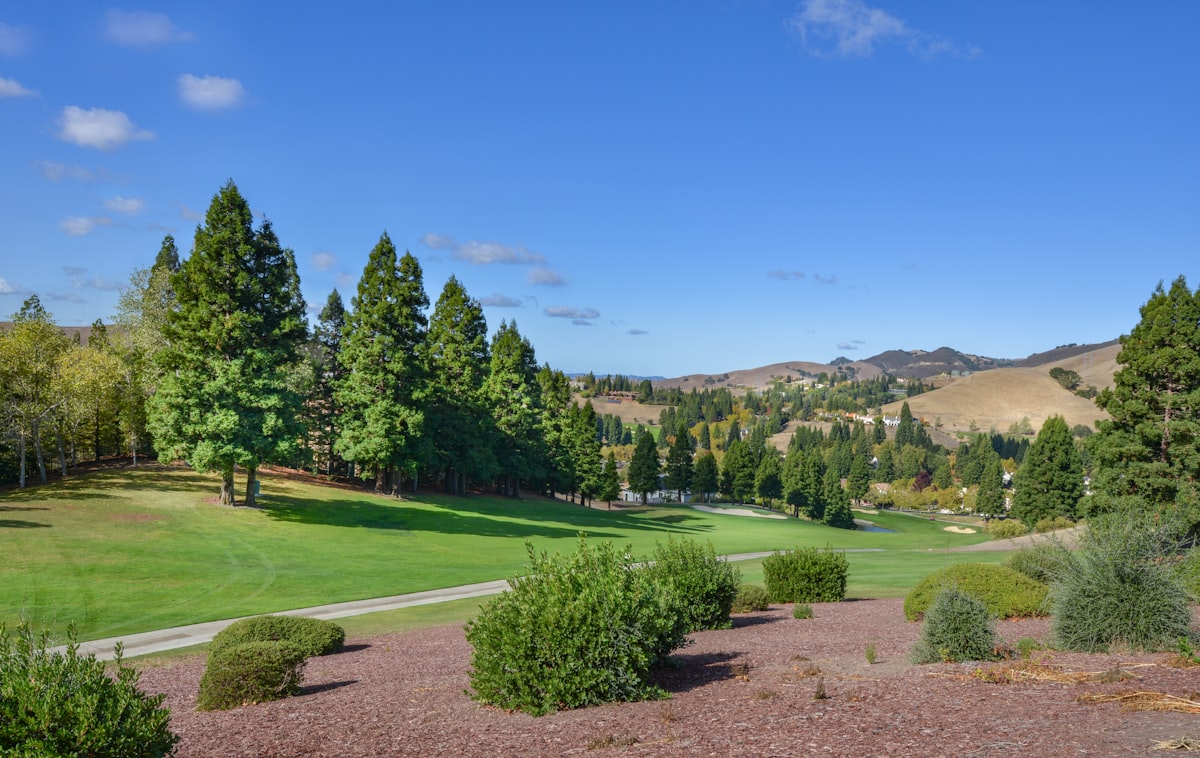
There is a nine-hole course a short drive from most towns of any size, the kind of place with a pro shop the size of a garden shed, a cart barn that has not been repainted since the Clinton administration, and a green fee that has probably gone up twice in a decade. Nobody writes magazine features about these courses. They rarely host anything more prestigious than a Saturday men’s league or a high school match. But they are, by a wide margin, where most of the people who love this game actually learned to play it, and they deserve a great deal more credit than golf’s glossier corners tend to give them.
The gap is getting wider, not narrower
The National Golf Foundation’s most recent numbers on playing costs tell a story that will feel familiar to anyone who has tried to book a tee time this year. The average 18-hole fee at a municipal or daily-fee course now sits around forty dollars, up roughly 27 percent since 2019, a rise that mostly tracks general inflation and is, on its own, not alarming. What is more striking is what has happened above that level. Average resort green fees have climbed 36 percent over the same stretch, with peak-season rates at the better-known destinations now routinely clearing a hundred dollars a round, and that is before the newer wave of high-end private clubs with tiny membership rolls and dues built for a very different kind of customer. Some cities have kept municipal fees close to flat for years and then jumped them all at once. Denver’s city courses saw a ten percent increase this year, their second since 2020. Tahquitz Creek in Palm Springs, a municipal course that had not raised its rate in six years, put fees up 73 percent in a single stroke. The trend line, in other words, is not one gap holding steady. It is two different versions of the sport pulling further apart from each other, one getting more expensive at a manageable pace and the other getting expensive in a way that quietly narrows who gets to play at all.
What the muni is actually for
None of this is an argument against private clubs, which have always existed and always will, and which fund plenty of good things beyond their own gates. It is an argument for what the municipal course does that nothing else in golf quite replicates. A public course does not care about your handicap, your connections, or whether somebody on the membership committee likes the cut of your jib. It opens at first light, it takes walk-ups, and it charges the same rate to the retired teacher playing his usual Tuesday foursome as it does to the fifteen-year-old who rode a bike over after school with a half set of borrowed irons. That fifteen-year-old is, more often than the sport likes to admit, the entire future of the game. Nobody learns to love golf by being denied access to it, and the courses that keep the front door open are doing more for the long-term health of the sport than any amount of tour purse inflation ever will.
Worth defending, not just tolerating
The good news buried in the National Golf Foundation’s numbers is that plenty of municipalities have figured this out and are treating their public courses as something worth investing in rather than a line item to be squeezed. Flexible membership tiers that let a family pay a modest monthly rate instead of a lump sum, corporate partnerships that offset maintenance costs without pushing them onto green fees, and multi-course punch passes that give a golfer real variety without a five-figure initiation fee are all quietly becoming standard tools for keeping municipal golf both affordable and well maintained. That combination matters. A cheap course that is falling apart teaches people that public golf is a compromise, and a beautifully kept course that prices out half its town teaches them something worse. The places getting it right are proving those two things do not have to trade off against each other.
The Tour will always have its cathedrals, and there is nothing wrong with admiring them from the couch on a Sunday afternoon. But the health of this game is not measured at East Lake or Augusta National. It is measured at the nine-holer with the tired cart barn, where a green fee still buys an afternoon regardless of who you are or who you know. That course does not need a magazine feature. It needs to still be there, and affordable, for whoever shows up next.