
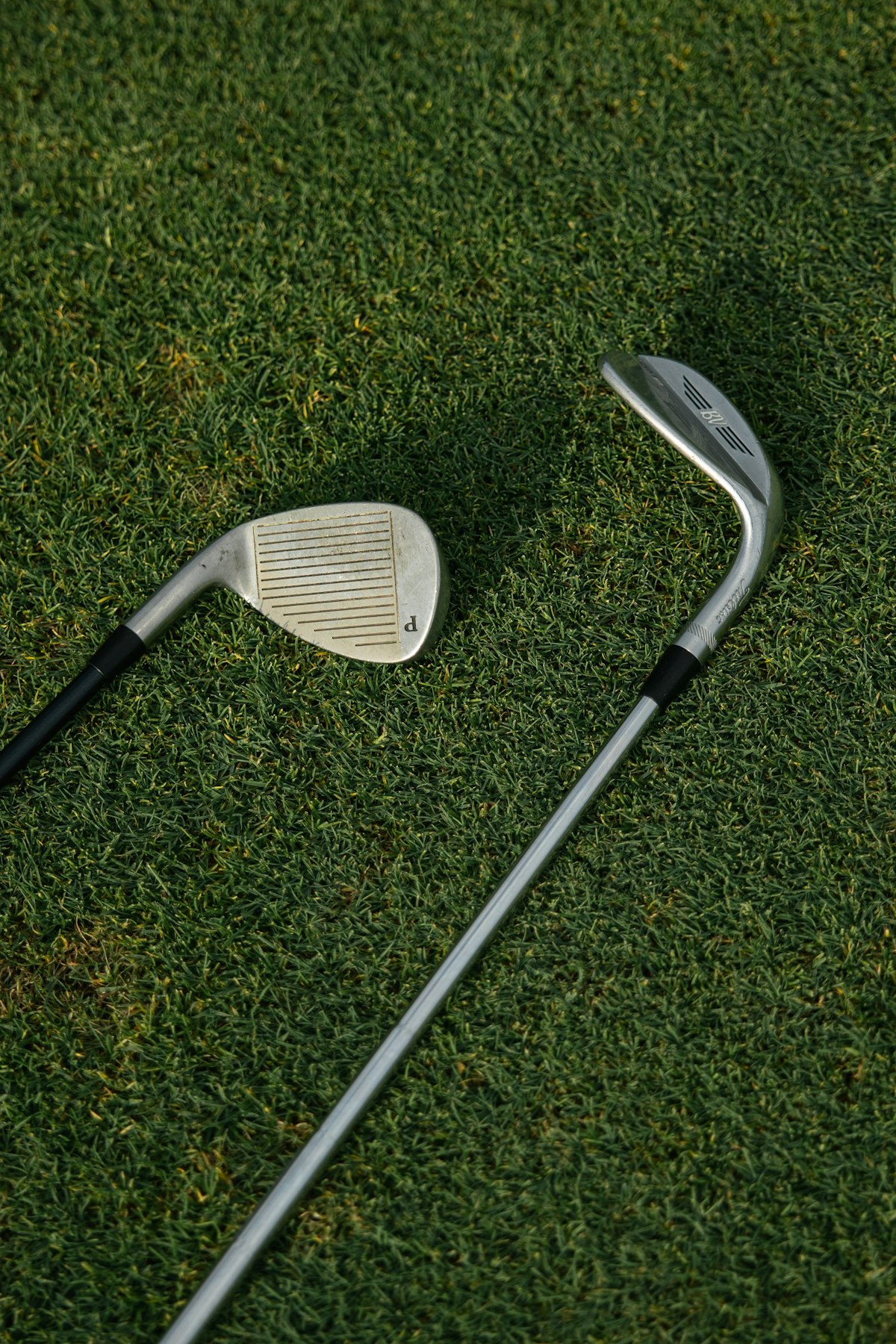
Stand on any practice ground on a Saturday morning and watch what golfers do with their wedges. They hit the pitching wedge full, then the gap wedge full, then the sand wedge full, each one a little shorter than the last, and they leave satisfied that they now know their numbers. Out on the course an hour later, the approach shot measures 92 yards, which sits precisely between the full gap wedge and the full sand wedge, and the same golfer who looked so organised on the range stands over the ball with no idea what to do. The problem was never the wedges. It was that three clubs were being asked to cover every yardage in between them with a single swing each, which was always going to leave gaps a stock yardage cannot fill.
The number on the range is the least useful number you own
A full, committed swing with any club produces a fairly reliable carry distance once you have hit enough of them, and that number is worth knowing. It is also almost never the number you need on the course, because approach shots do not arrive in neat multiples of your full-swing gapping. The three clubs in a typical wedge set might carry 100, 85 and 70 yards at full effort, which covers three numbers out of the dozens a round of golf will actually present. Everything in between currently gets solved by guesswork dressed up as feel: swinging the longer club a bit easier, or the shorter club a bit harder, with no real sense of how much easier or harder that swing needs to be. Guesswork like this is where a perfectly well-struck shot finishes twelve feet from where it should have, not because the strike was bad but because the swing length underneath it was invented on the spot.
Three lengths, not two clubs
The more reliable fix is to stop asking each wedge to do one job and start building three repeatable swing lengths for the wedge that sits in the middle of your short-iron distances, using the face of a clock as the reference. A swing that takes the hands back to nine o’clock and through to three o’clock is the shortest of the three, useful for the 30-to-45-yard range depending on the club. A ten-to-four swing adds a touch more length and speed, filling the gap just above that. A full swing, the one already practised to exhaustion, covers the top of the range. Three lengths on one club, learned properly, cover more usable yardages than three full swings on three different clubs ever will, because the length of the swing becomes the variable instead of the club in the hand.
This only works if each length is truly repeatable rather than approximate. A nine-to-three swing hit fast is not the same shot as a nine-to-three swing hit slow, even though the arms travelled the same distance, and inconsistent tempo inside a fixed length is exactly the kind of variable that turns a sound system back into guesswork. The swing length controls how far the ball goes. The tempo has to stay constant across all three so that the only thing changing between shots is the one thing you actually intended to change.
Calibrating the three lengths properly
This takes an afternoon, not a season. Pick the club sitting in the middle of the bag’s wedge distances, hit ten balls at the nine-to-three length and note where the average one finishes, then do the same for ten-to-four and for the full swing. Write the three numbers down somewhere they will actually be looked at again, because the entire value of the system disappears if the numbers only exist in memory for a week. Most golfers are surprised by how consistent the shortest length is compared with the longest, since a smaller swing has fewer places for timing to go wrong, and more than a few end up trusting the nine-to-three shot more than the full one within a month of doing this properly.
The pay-off shows up in the moments that used to produce a shrug and a hopeful swing: the 92-yard approach that used to sit between two clubs now has an answer, because the wedge in hand can produce that yardage on purpose rather than by accident. It will not make every wedge shot perfect. It will remove the specific kind of bad shot that comes from a swing invented under pressure, which for most amateurs is doing more damage to the scorecard than any actual mis-strike.